For those of us who call Live Oak home, gardening is more than just a pastime. It is a way to connect with nature, support our environment, and bring beauty and life to our landscapes. At Nobles Greenhouse & Nursery, our goal is to help you do just that, with a strong focus on native Florida plants in Live Oak, FL. Whether you’re transforming a backyard, designing a pollinator-friendly garden, or simply adding a few accents to your landscape, choosing native plants offers numerous benefits. Here is your guide to selecting the best native options for your space.
Why Native Plants Matter in North Florida Gardens
Native plants are those that have evolved naturally in a specific region over centuries. In Live Oak and the greater Suwannee County area, this means choosing plants that thrive in our sandy soils, hot summers, and mild winters without needing excessive watering, fertilization, or pest control. This not only saves time and resources but also helps maintain the ecological balance that makes North Florida special.
By incorporating native Florida trees, shrubs, and wildflowers, you provide essential food and shelter for local pollinators, birds, and other wildlife. Many of our customers come to us searching for plants that will attract butterflies, support bees, or create habitat for songbirds. Native species are naturally suited to fulfill these roles in a way that non-native ornamentals cannot.
At Nobles Greenhouse & Nursery, we carefully curate our inventory to include a wide range of wildflowers and native shrubs. Live Oak, FL residents will find that these plants support biodiversity while also offering stunning colors, textures, and seasonal interest.
The Best Native Florida Plants for Live Oak Landscapes
Our staff frequently guides customers through the process of selecting native plants based on their garden goals. Some are looking to create pollinator gardens, while others want low-maintenance landscaping around their homes. Whatever the objective, we recommend starting with well-established native species that are proven performers in our area.
Trees like Southern magnolia, live oak, and flatwoods plum are excellent long-term investments for shade and wildlife value. These trees serve as host plants for caterpillars, nesting sites for birds, and even sources of nectar and fruit for pollinators and mammals alike.
For those seeking mid-size plantings, native shrubs such as beautyberry, yaupon holly, and wax myrtle provide dense foliage, colorful berries, and seasonal blooms. These plants require little maintenance once established and can tolerate both wet and dry conditions.
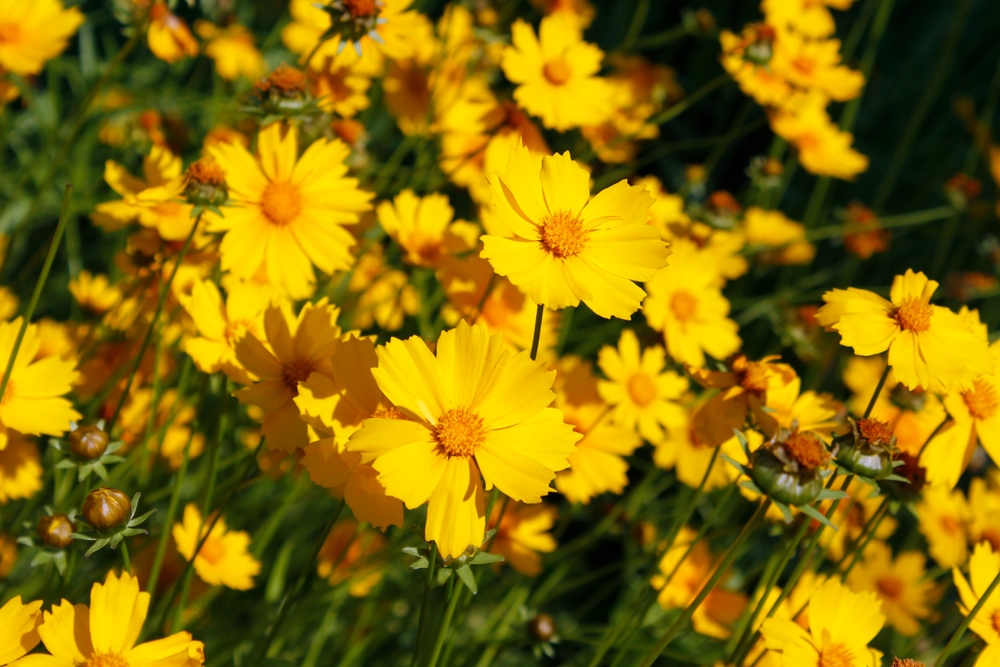
Adding wildflowers is one of the most rewarding aspects of native gardening. Popular choices include blanketflower, coreopsis (Florida’s state wildflower), and tropical sage. These blooms offer a continuous display of color throughout much of the year and serve as magnets for butterflies, hummingbirds, and native bees.
Where to Find a Florida Native Plant Nursery Near Live Oak
If you have ever searched for a Florida native plant nursery near Live Oak, you may already know that not all garden centers specialize in native selections. That is where Nobles Greenhouse & Nursery stands apart. For over 50 years, our family-owned business has been committed to providing high-quality plants and expert guidance to help gardeners succeed.
We take pride in stocking a broad variety of native options, from flowering perennials to foundational shrubs and trees. Our staff is well-versed in Florida’s native ecosystems and ready to recommend the best plants for your soil type, sun exposure, and garden vision. Whether you’re starting from scratch or expanding an established garden, we are here to help you choose plants that thrive in Live Oak’s unique environment.
Our greenhouse is more than a store. It is a hub for gardeners looking to learn, explore, and grow with confidence. You will find an ever-changing inventory tailored to seasonal needs and customer preferences, along with friendly advice rooted in years of hands-on experience.
Benefits Beyond Beauty: Sustainability and Wildlife Support
Choosing native Florida plants in Live Oak, FL brings benefits that go far beyond aesthetics. Native landscaping is a powerful tool for sustainable living. These plants generally require less irrigation, reducing strain on our water supply, especially during dry months. They are also better equipped to handle local pests and diseases, cutting down on the need for chemical inputs.
By fostering a healthy native plant community in your garden, you create a refuge for Florida’s wildlife. Pollinators like bees and butterflies are experiencing global decline, but native gardens can help reverse this trend at a local level. Birds also benefit, relying on native shrubs and trees for food and shelter, particularly during breeding and migration seasons.
At Nobles Greenhouse & Nursery, we encourage customers to think of their yards as mini-ecosystems. With the right combination of native trees, wildflowers, and shrubs, your space can become a haven for life. Our knowledgeable team is always happy to suggest combinations that maximize ecological impact while remaining visually appealing and easy to manage.
Expert Guidance for Every Gardener
One of the most common challenges we hear from customers is knowing where to begin. The world of native plants can seem overwhelming at first, especially if you’re trying to match plants to the specific conditions of your site. That is why our experienced team is always available to walk you through the process.
Whether you have questions about spacing, soil preparation, pruning, or seasonal care, our staff will provide clear, practical advice. We often assist customers with mapping out garden beds, choosing compatible plant groupings, and identifying long-term maintenance strategies that work with their schedules.
Our nursery also offers a range of complementary products to support your garden, including organic soil amendments, mulch, and tools. And if you’re looking for something special, our gift certificates make it easy to share the love of gardening with friends and family.
Above all, we value our relationships with local gardeners. Many of our regulars stop by just to check what’s blooming, get inspiration, or chat about their latest garden projects. It’s this sense of community that keeps Nobles Greenhouse & Nursery thriving year after year.
Conclusion
Gardening with native plants is one of the best choices you can make for your landscape and your local environment. At Nobles Greenhouse & Nursery, we are proud to offer an abundant selection of wildflowers and native shrubs. Live Oak, FL is a place rich in natural beauty, and by choosing native Florida plants, you help preserve that heritage for future generations.
Whether you’re drawn to the environmental benefits, the reduced maintenance, or the vibrant life these plants attract, our team is here to support your journey. Reach out to us today and come explore our wide variety of native trees, shrubs, and flowers. Let us help you transform your outdoor space into a thriving, sustainable, and beautiful garden rooted in the spirit of Florida.
When it comes to decorating for the holidays in North Florida, the charm lies in blending traditional Christmas beauty with the region’s unique subtropical environment. Live Oak, FL, enjoys mild winters that provide a surprisingly diverse range of options for seasonal greenery. While snow-covered pines may dominate images of winter in other parts of the country, North Florida homes can celebrate the season with vibrant, lush plants that truly thrive in the area’s climate.
Choosing the right plants not only brings festive cheer into your home but also ensures your selections flourish throughout the holiday season. Whether you’re sourcing from a local nursery in Live Oak or growing them yourself, there are plenty of holiday plants that thrive in Florida winter. Let’s explore which varieties offer both beauty and resilience in this region.
Poinsettias: The Quintessential Holiday Classic
One of the most iconic symbols of the Christmas season, poinsettias are a natural favorite for North Florida homes. These vivid red, white, or pink bracts are not only stunning but also perfectly suited to the mild winters of Live Oak. While poinsettias are native to Mexico, their adaptability to warmer climates makes them ideal for display in covered outdoor areas or indoors near bright, indirect light.
Poinsettias require minimal care during the holiday season. Keep them away from drafts and ensure the soil stays moist but not soggy. In Live Oak’s winter climate, you can even consider planting poinsettias in your garden after the holidays, where they may continue to grow and return with proper pruning and protection from occasional cold snaps. Many nurseries in Live Oak, FL offer a variety of sizes and colors, making it easy to find the perfect match for your decor.
Christmas Cactus: Tropical Elegance with Seasonal Blooms
The Christmas cactus is a brilliant example of a subtropical plant that thrives during Florida winters. Unlike traditional desert cacti, this variety is native to the cloud forests of Brazil and prefers humid conditions and filtered light, making it well-suited for indoor life in North Florida. As a houseplant, the Christmas cactus blooms in shades of red, pink, white, and lavender, just in time for the holidays.
These succulents appreciate consistency and thrive when placed near a window that gets bright but indirect sunlight. Water sparingly, allowing the top of the soil to dry out before watering again. What makes the Christmas cactus a favorite among holiday plants that thrive in Florida winter is its longevity. With minimal effort, this plant can bloom year after year, becoming a holiday heirloom for your family.
Norfolk Island Pine: A Living Christmas Tree Alternative
For those who want the look of a Christmas tree without the short lifespan of cut evergreens, the Norfolk Island pine offers a stylish, eco-friendly alternative. These tropical conifers have a symmetrical shape and soft needles, making them ideal for indoor decoration with lightweight ornaments, ribbon, and lights. While they’re not true pines, they give the same festive vibe and work wonderfully in the warm, humid environment of North Florida homes.
Native to the South Pacific, Norfolk Island pines prefer bright light and moderate watering. Their growth is slow, so even a small tabletop tree can remain part of your décor for several years. After the holidays, they make attractive houseplants and can even be moved outdoors in spring, provided they’re protected from cold winds and brief temperature dips.
Nurseries in Live Oak, FL frequently stock Norfolk Island pines during the holiday season, and their popularity has grown as more residents look for sustainable alternatives to traditional Christmas trees.
Camellias: Winter Blooms for Outdoor Beauty
While most flowering plants go dormant in the winter, camellias come alive just in time for the holidays. These evergreen shrubs bloom from late fall through early spring in North Florida, offering delicate blossoms in hues of red, pink, and white, perfectly fitting the holiday palette. Camellias are one of the best Christmas plants for North Florida homes that want to showcase outdoor holiday color without relying on temporary decorations.
Camellias thrive in Live Oak’s acidic soil and mild temperatures. They prefer dappled sunlight and benefit from a layer of mulch to protect roots during colder nights. Unlike tropical plants, camellias are hardy enough to withstand occasional frost, making them ideal for landscaping that remains attractive throughout winter.
If you’re looking to add natural beauty to your yard or create a striking porch display, camellias are a smart and elegant choice. Many local nurseries offer varieties specifically bred for Florida’s climate, ensuring they perform well with minimal intervention.
Rosemary: Aromatic and Festive
Rosemary is not only a versatile culinary herb, but also a surprisingly festive addition to your holiday plant collection. Shaped into miniature Christmas trees, rosemary plants add a touch of greenery and a wonderful fragrance to kitchens, entryways, and dining areas. Their evergreen nature and needle-like leaves mirror the appearance of traditional holiday greenery, while offering a Mediterranean flair that suits North Florida’s climate perfectly.
This hardy herb thrives in pots or garden beds and enjoys full sun with well-drained soil. During the cooler months in Live Oak, rosemary is particularly robust and can handle temperature drops better than many tender herbs. Not only does it enhance your holiday decor, but it can also flavor your seasonal cooking, from roasted meats to freshly baked breads.
Many nurseries in Live Oak offer potted rosemary trimmed into conical shapes during the holiday season, making it an easy and attractive addition to your home.
Conclusion
Celebrating Christmas in North Florida offers the unique opportunity to combine classic holiday traditions with the natural beauty of a subtropical landscape. By selecting the best Christmas plants for North Florida homes, residents of Live Oak can enjoy seasonal cheer with greenery that’s both festive and climate-appropriate.
Whether you’re drawn to the vibrant red of poinsettias, the elegant blooms of camellias, or the practicality of rosemary, each plant on this list offers something special for holiday decorating. Reach out to us today to find these Christmas plants and discover new varieties that suit your home’s aesthetic and growing conditions.
By choosing holiday plants that thrive in Florida winter, you not only beautify your home but also cultivate a deeper connection with the region’s natural rhythm. Let your decorations reflect the spirit of the season and the warmth of North Florida’s winter charm.
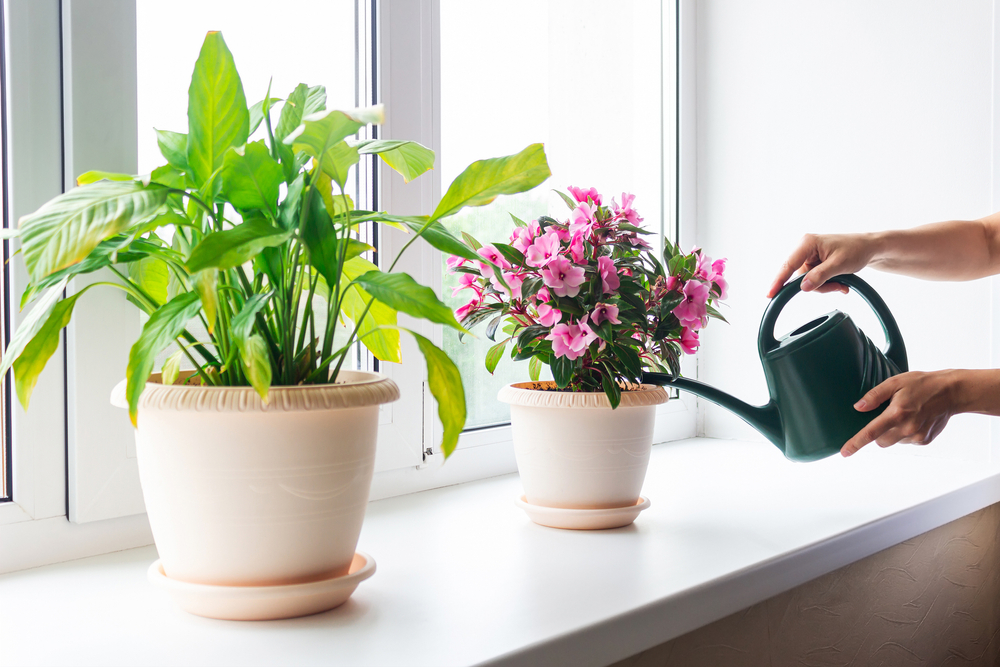
At Nobles Greenhouse & Nursery in Live Oak, FL, we understand that bringing nature indoors is one of the best ways to create a warm, inviting space. But not just any plant will thrive in every environment. Selecting the best houseplants for North Florida homes requires a thoughtful approach that considers our unique climate, your home’s lighting conditions, and the level of care you’re prepared to provide.
With over 50 years of experience serving the North Florida community, our family-owned nursery has guided countless plant lovers in making informed, rewarding choices. From tropical delights to exotic finds rarely seen in chain stores, we offer a one-of-a-kind collection and knowledgeable advice to help you grow a flourishing indoor garden.
Understanding the North Florida Climate for Indoor Plants
Before selecting houseplants, it’s essential to understand the local climate. North Florida experiences hot, humid summers and mild winters. While these conditions are perfect for many tropical and subtropical plants, indoor environments can vary significantly depending on air conditioning, heating, and natural light availability.
Many customers come to us asking for indoor plant care tips for the North Florida climate. The key is balancing outdoor influences with indoor factors. For instance, air conditioning can reduce humidity indoors, making it challenging for tropical plants to retain moisture. Conversely, winter heating may dry out the air further, which means that even humidity-loving plants may struggle without added care.
This is where our knowledgeable staff comes in. At Nobles Greenhouse & Nursery, we help you identify not just the plants you love, but the ones that will love your home right back. By asking about window placements, sun exposure, and your home’s airflow, we can guide you toward houseplants that match your lifestyle and living space.
Lighting: The Make-or-Break Factor for Houseplants
One of the most common pitfalls in houseplant selection is misunderstanding how lighting works inside your home. Just because a room looks bright doesn’t mean it receives the kind of light a plant needs. Similarly, some rooms that seem dim might offer the perfect filtered light for shade-tolerant varieties.
In North Florida, the direction your windows face has a big impact. South-facing windows generally provide the most consistent light throughout the day. East- and west-facing windows receive more filtered or partial sun, while north-facing windows tend to offer lower light levels.
At our nursery in Live Oak, we often demonstrate how various lighting types interact with plant preferences. Need something lush for a shady corner? Try a Calathea or a Snake Plant. Want a vibrant splash of color for a bright windowsill? Bromeliads or Anthuriums might be perfect.
By asking the right questions and examining photos of your home, our team can offer personalized suggestions. We’ll ensure your plant not only survives but thrives, even in a space you thought was too dark or too sunny.
Choosing Tropical Plants That Thrive Indoors
Many of our customers specifically ask where to buy tropical houseplants in Live Oak, FL. We’re proud to say that Nobles Greenhouse & Nursery is the go-to destination. Our collection includes a wide variety of tropicals — from the ever-popular Monstera and Fiddle Leaf Fig to rarer specimens like the ZZ Raven or Alocasia Polly.
Tropical plants are ideal for North Florida homeowners because they’re accustomed to warmth and humidity, two conditions that are naturally present much of the year. However, to keep them healthy indoors, you may need to mimic these conditions. That’s where care tools like humidifiers, pebble trays, and proper potting mediums come into play.
We take great care to educate our customers on the specific needs of tropical plants. From choosing breathable pots to recommending watering schedules based on seasonality, we ensure you go home with everything you need for success. Our tropical section isn’t just about aesthetics; it’s about sustainability and plant health. With our guidance, you’ll understand how to maintain consistent conditions that prevent stress and disease in even the most delicate species.
Why Unique Varieties Matter: Skip the Big Box Stores
In a world of mass-produced everything, your home deserves a touch of the extraordinary. That’s why our greenhouse prioritizes exotic, uncommon varieties you won’t find at national retail chains. Our curated selection includes plants that make a statement, whether it’s a variegated monstera, a rare philodendron, or a uniquely colored aglaonema.
What sets us apart is not just the plants we carry, but the knowledge we offer. While a big-box store might sell you a beautiful plant with a generic tag, we provide the context and care guidance that makes plant ownership a joy rather than a frustration.
Visitors often remark that our plants look healthier and more vibrant, and that’s no accident. We nurture our collection on-site in conditions that reflect the realities of North Florida living. That means you’re not just buying a plant; you’re investing in a living addition to your home that’s acclimated, healthy, and supported by real expertise.
Getting the Right Help: Personalized Advice from Plant Experts
Even the most passionate plant lovers can feel overwhelmed by the variety of choices available. That’s why Nobles Greenhouse & Nursery is more than just a place to shop; it’s a resource center for indoor gardeners. We take time with each customer to assess their environment, preferences, and level of experience.
Looking for a low-maintenance option that can handle neglect? We’ve got you. Want a dramatic, fast-growing showpiece that thrives in humidity? We’ll guide you there. Interested in pairing plants with your interior design style? We can help with that too.
We also help troubleshoot plant problems, from yellowing leaves to root rot. If you’ve had a bad experience in the past or feel unsure about trying again, come in and talk to us. We’re here to turn challenges into victories with expert advice tailored to your specific needs.
And for those looking for the perfect gift, our gift certificates make it easy to share the joy of indoor gardening with friends and family. It’s a thoughtful way to introduce loved ones to the benefits of plant parenthood without the guesswork.
Conclusion
Choosing the best houseplants for North Florida homes doesn’t have to be complicated, especially when you have access to the right guidance and a thoughtfully curated selection of plants. At Nobles Greenhouse & Nursery in Live Oak, FL, we take pride in being more than a plant store. We’re your trusted partner in building a home filled with life, beauty, and botanical success.
Whether you’re a seasoned plant enthusiast or just starting out, we invite you to visit our nursery and explore our exceptional range of tropical and indoor plants. With personalized recommendations, high-quality specimens, and decades of experience, you’ll find more than just greenery; you’ll discover confidence, inspiration, and joy in every leaf.
For those wondering where to buy tropical houseplants in Live Oak, FL, or seeking trustworthy indoor plant care tips for the North Florida climate, we welcome you to reach out, ask questions, and let us help you bring your indoor oasis to life.
Your perfect plant is waiting, and we’re here to help you find it.
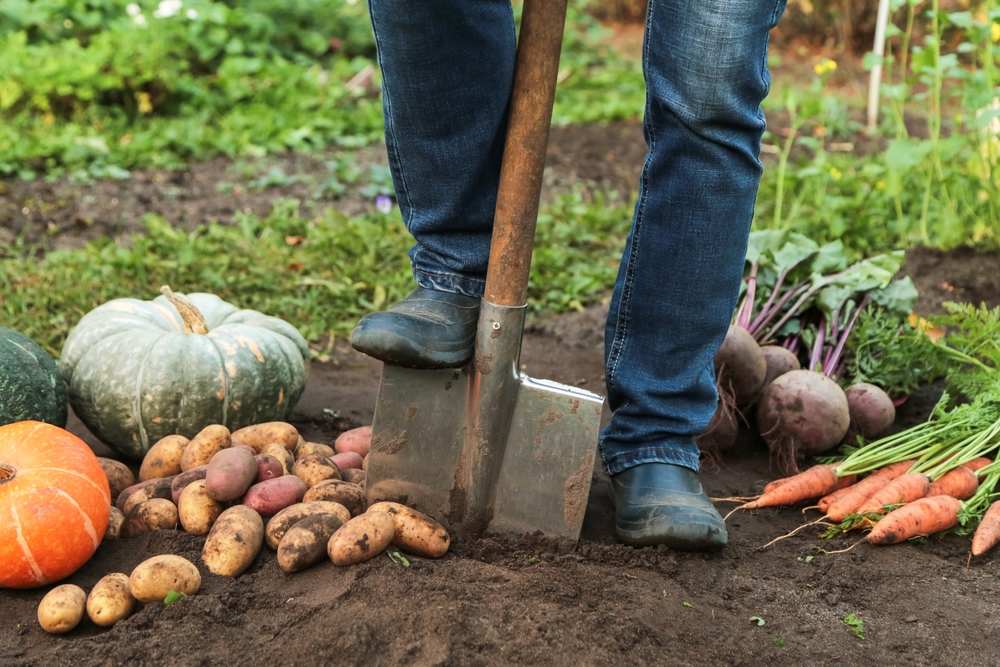
As the sweltering heat of summer begins to wane, fall ushers in one of the most productive and enjoyable times of year for vegetable gardening in North Florida. In places like Live Oak, FL, the arrival of cooler weather provides the perfect window to grow a bounty of nutritious, vibrant vegetables that thrive in the region’s unique climate. With its mild autumn temperatures and ample sunshine, North Florida is ideally suited for cultivating a diverse range of cool season crops. From the crisp leaves of kale to the dense heads of cabbage and the delicate florets of cauliflower, fall vegetable gardening offers opportunities to nourish both body and soul.
This season is especially important for those who understand that Florida’s gardening calendar doesn’t follow the traditional patterns found in other parts of the country. For many vegetables, fall is not the end but the beginning of peak growing conditions. Whether you’re a seasoned gardener or just starting to get your hands dirty, this is the time to prepare your garden beds and start sowing seeds that will yield a fresh harvest through the cooler months.
Why Fall Gardening Works in North Florida
The fall season in North Florida is distinct in that it brings relief from summer’s oppressive humidity while avoiding the harsher frosts experienced further north. Temperatures begin to drop steadily through October and November, creating a hospitable environment for cool season crops. Unlike in colder zones where gardeners must pack up their tools by September, those in places like Live Oak, FL can continue planting well into the fall and even winter months.
Another advantage is the reduction in pest pressure. Many of the insects that plague spring and summer gardens, such as aphids, whiteflies, and caterpillars, become less active as temperatures cool. This gives crops like cabbage, kale, and cauliflower a better chance to mature without being devoured before harvest. Diseases that are exacerbated by heat and humidity, such as powdery mildew or bacterial wilt, also tend to diminish during the fall, leading to healthier plants and larger yields.
For gardeners who struggled through the summer months with spotty rainfall and heat stress, fall offers a refreshing change. Regular watering and the use of mulch to retain soil moisture will support consistent growth, while shorter daylight hours encourage leafy greens to develop rich flavors and vibrant colors.
Growing Cabbage in the Fall Garden
Cabbage is one of the most rewarding vegetables to grow in North Florida gardens during the fall. It is remarkably adaptable to the area’s cooler weather and produces dense, firm heads when given the right care. Whether you prefer green, red, or savoy varieties, growing cabbage in the fall ensures a flavorful and versatile harvest that can be used in everything from stir-fries to slaws and soups.
To grow cabbage successfully, it’s important to start with rich, well-draining soil amended with compost or aged manure. Seeds can be started indoors and transplanted into the garden, or sown directly into beds in late September through early November. Cabbage plants require consistent moisture and benefit from a balanced fertilizer to support their vigorous growth. Providing adequate spacing between plants is key, as overcrowding can lead to reduced airflow and increase the risk of disease.
In Live Oak, FL, cabbage usually matures in about 70 to 90 days, depending on the variety. As heads begin to firm, you’ll want to monitor for pests such as cabbage loopers or root maggots, though these are typically less of a concern in the fall. A well-timed planting can produce multiple harvests before the first hard freeze, particularly if you use floating row covers to protect young plants during cold snaps.
Kale: A Nutritious and Easy Fall Favorite
Kale has become one of the most popular vegetables in recent years, not only for its impressive nutritional value but also for its resilience in cooler weather. In fact, kale often tastes better after a light frost, as the cold triggers the conversion of starches into sugars, resulting in sweeter, more tender leaves. This makes it a perfect candidate for fall vegetable gardening in North Florida.
Planting kale in late September or early October will allow it to establish strong roots before the coldest months arrive. It grows well in containers or garden beds and thrives in full sun with regular watering. Varieties such as curly kale, lacinato (also known as dinosaur kale), and red Russian kale all perform exceptionally well in the Live Oak, FL climate.
Once kale reaches maturity, you can harvest the outer leaves while allowing the center of the plant to continue growing. This cut-and-come-again method means you’ll have a steady supply of greens throughout the season. With minimal maintenance and a high tolerance for cold, kale is a must-have for any fall garden in Florida.
Cauliflower: A Cool Season Challenge Worth the Reward
Of all the cool season crops grown in North Florida gardens, cauliflower can be one of the most finicky, yet ultimately rewarding. It requires a bit more attention than cabbage or kale, but the sight of a perfectly formed white head nestled in a bed of green is worth the effort. Cauliflower prefers steady, cool temperatures and does not tolerate heat or drought well, making fall the best time for success in Live Oak, FL.
Start cauliflower from seed in late summer or early fall, allowing 75 to 90 days to reach maturity. Transplants should be spaced adequately to give the plants room to grow without competition. Cauliflower thrives in fertile soil enriched with compost and benefits from a consistent watering schedule to avoid the development of hollow stems or bitter-tasting heads.
One of the more unique challenges with cauliflower is the process known as blanching. When the white curds (the part you eat) begin to form, they can discolor if exposed to too much sunlight. To preserve that creamy color and delicate flavor, gardeners often tie the outer leaves over the head to shade it. Though this step is optional, it helps produce the kind of cauliflower you’re proud to show off and serve.
Expanding Your Fall Garden Beyond the Basics
While cabbage, kale, and cauliflower are among the stars of the fall garden, North Florida offers a wide range of other cool season crops that thrive in the autumn months. Broccoli, Brussels sprouts, collards, beets, carrots, and lettuce all flourish in the fall and provide a colorful, diverse harvest for your kitchen table. The key to success is understanding your local microclimate and timing your plantings to take advantage of North Florida’s unique growing season.
Live Oak, FL gardeners should also consider succession planting, a technique that involves staggering the sowing of seeds to ensure a continuous harvest. By planting a new row of greens or root crops every two weeks, you can extend your harvest window and avoid being overwhelmed by too much of one vegetable at once.
Preparing your soil in advance is essential. Remove summer crops and weeds, and till in organic matter to give your fall vegetables the best start. Adding mulch around your plants will help retain moisture, regulate soil temperature, and suppress weeds. Fall is also an excellent time to install low tunnels or protective covers, which can guard against early frosts and allow tender crops to thrive even into early winter.
Conclusion
Fall vegetable gardening in North Florida, particularly in areas like Live Oak, FL, offers a golden opportunity to grow a wide variety of cool season crops with fewer pests and less heat stress. With the right planning and preparation, gardeners can enjoy a steady harvest of cabbage, kale, cauliflower, and many other nutritious vegetables throughout the cooler months. The combination of ideal weather, rich soil, and reduced pest pressure makes autumn the best time to grow some of the most flavorful and healthy produce of the year.
Whether you’re growing cabbage for coleslaw, kale for smoothies, or cauliflower for roasting, fall gardening provides a rewarding and sustainable way to stay connected to your food and your landscape. As you cultivate your North Florida garden this season, remember that each seed planted is a step toward a more abundant and fulfilling harvest.
As the summer heat fades and cooler weather rolls into Live Oak, FL, many gardeners may assume their growing season is over. But in North Florida, fall gardening offers some of the most rewarding months of the year. The mild temperatures and rich soil make this the perfect time to plant winter annuals like pansies, petunias, and snapdragons. These colorful blooms thrive in cooler weather and can bring life, color, and vibrancy to your garden well into the winter months. With the right preparation and care, your fall garden in Live Oak can remain lush and beautiful until spring.
Understanding the Fall Gardening Climate in Live Oak, FL
Live Oak, located in North Florida, benefits from a unique subtropical climate that allows for an extended growing season. While many northern gardeners are cleaning up for winter, Live Oak residents can continue planting and nurturing a variety of fall gardening plants. The average fall temperatures range from the high 70s during the day to the 50s at night, creating ideal conditions for cool-weather blooms.
In this region, the first frost typically doesn’t arrive until late November or December, giving gardeners plenty of time to establish their winter annuals. The soil remains workable, and rainfall tends to increase slightly, which helps young plants settle in without excessive watering. These conditions are perfect for pansies, petunias, and snapdragons, which all flourish when daytime temperatures stay mild and nights are cool.
For the best success, gardeners should pay attention to the subtle transition between late summer and early fall. Planting too early, when the heat still lingers, can stress young seedlings. Planting too late, after frost sets in, can hinder growth. The sweet spot for Live Oak, FL, typically falls between late September and early November, giving your plants enough time to take root before winter chill arrives.
Choosing the Right Winter Annuals: Pansies, Petunias, and Snapdragons
When it comes to selecting the best plants for fall gardens in North Florida, few can compete with the charm and endurance of pansies, petunias, and snapdragons. Each offers something unique, both in color and structure, making them the perfect trio for any Live Oak landscape.
Pansies are the quintessential winter annuals. Their velvety petals come in a wide variety of colors, from deep purples and yellows to whites and blues. They can tolerate light frosts and even bounce back after a cold snap, making them ideal for Live Oak’s mild winters. Pansies also do well in both garden beds and containers, allowing for flexible design options.
Petunias, on the other hand, bring a wave of cascading color. While often thought of as summer flowers, certain petunia varieties, such as wave petunias, can thrive through fall and into early winter in North Florida. Their trumpet-shaped blooms add dimension and texture to garden borders, hanging baskets, and window boxes. Regular deadheading encourages continuous flowering throughout the season.
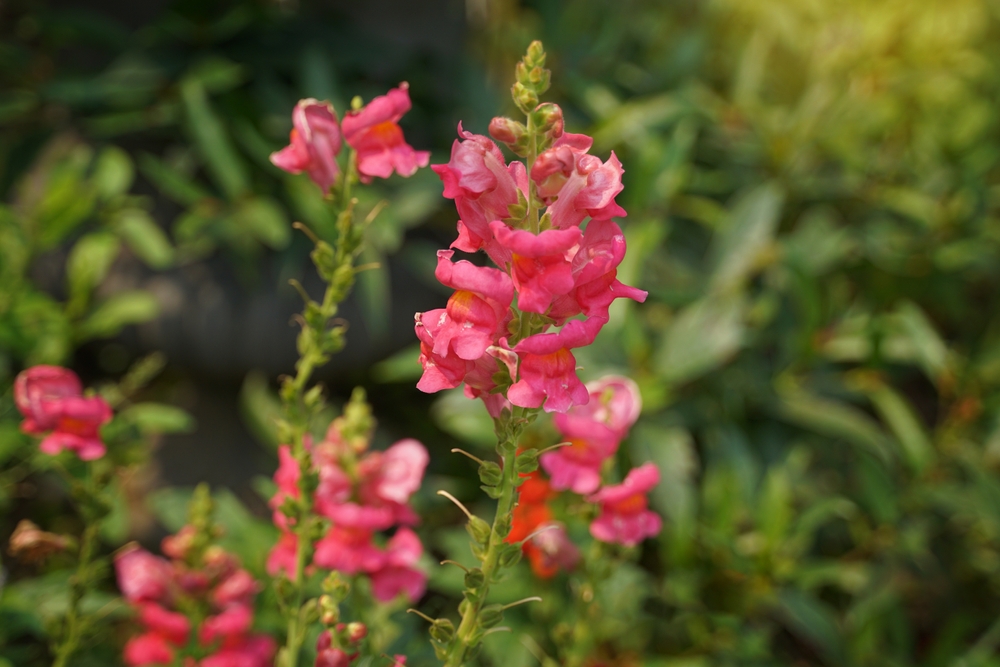
Snapdragons add vertical interest to the mix. Their tall, spiky blooms make excellent background plants in garden beds, providing contrast against the lower-growing pansies and petunias. Snapdragons also thrive in cooler temperatures and come in a spectrum of vibrant shades, including red, pink, yellow, and white. They are resilient against mild frosts and can even reseed themselves, offering surprise color bursts the following year.
Combining these three winter annuals ensures a balanced and diverse garden display. Their varying heights, textures, and colors create a visually dynamic landscape that keeps your garden looking alive all season long.
Preparing and Planting Your Fall Garden in Live Oak
Before planting, it’s essential to prepare your soil for success. North Florida’s soil tends to be sandy, which can drain quickly and lack nutrients. Start by loosening the soil about six to eight inches deep and mixing in organic matter such as compost, peat moss, or well-rotted manure. This improves both water retention and nutrient availability. For best results, perform a simple soil test to check the pH level, aiming for a slightly acidic to neutral range between 6.0 and 7.0, which is ideal for most winter annuals.
Next, plan your garden layout. Pansies look beautiful in clusters near walkways or in front of taller plants. Petunias work well as fillers in garden beds or as trailing plants in containers. Snapdragons, with their upright growth, make excellent backdrops or focal points along fences and borders. Grouping plants with similar sunlight and watering needs ensures more even growth and fewer maintenance issues.
Live Oak receives plenty of sunshine during the fall, so aim for a location that gets at least six hours of direct sunlight per day. Morning sun is particularly beneficial, as it helps dry dew and reduces the risk of fungal diseases. When planting, space pansies about 6 to 8 inches apart, petunias 10 to 12 inches apart, and snapdragons around 12 inches apart. Proper spacing allows airflow and helps prevent mildew or rot.
After planting, water deeply to help roots establish. Keep the soil consistently moist for the first few weeks, then adjust as plants mature. Adding a layer of mulch can help retain moisture, regulate soil temperature, and suppress weeds. Organic mulches such as pine straw or shredded bark work especially well in Live Oak’s climate.
Caring for Your Fall Garden: Maintenance Tips for Lasting Blooms
Once your garden is planted, maintaining it through the fall and winter months is relatively straightforward. The mild North Florida climate minimizes the need for heavy intervention, but consistent care ensures your pansies, petunias, and snapdragons stay vibrant.
Regular watering remains important. Even in cooler weather, plants can dry out quickly, especially during breezy days. However, avoid overwatering, as soggy soil can lead to root rot. A good rule of thumb is to water when the top inch of soil feels dry. Early morning watering is best, allowing foliage to dry before nightfall.
Feeding your plants helps sustain their blooming power. Use a balanced, slow-release fertilizer at planting time, then supplement with a liquid fertilizer every few weeks throughout the season. Look for formulations designed for flowering plants, which encourage steady bloom production without promoting excessive leaf growth.
Deadheading is another key practice. Removing spent blooms encourages your winter annuals to produce more flowers. For pansies and petunias, pinch off faded flowers just above the next leaf node. For snapdragons, cut the flower spike back once it finishes blooming to encourage new shoots.
Keep an eye out for common pests such as aphids, caterpillars, and snails, which can still appear during the cooler months. Inspect leaves regularly and treat infestations early with insecticidal soap or neem oil. Disease issues like powdery mildew can be minimized by ensuring good air circulation and avoiding overhead watering.
Mulching around the base of plants helps maintain consistent soil moisture and temperature, especially during cold snaps. If frost is forecasted, consider covering delicate blooms with lightweight fabric or frost cloth overnight. Most winter annuals, including pansies and snapdragons, will recover quickly once temperatures rise again.
Designing a Year-Round Garden in North Florida
Fall gardening in Live Oak, FL, doesn’t have to be just a seasonal project. With the right planning, you can design a landscape that thrives all year. The key is to blend your winter annuals with hardy perennials and shrubs that provide structure and greenery even when temperatures drop.
For example, pair your pansies and petunias with evergreen shrubs like boxwood or dwarf holly. Their deep green foliage provides a rich backdrop for the colorful blooms. Ornamental grasses, such as muhly grass, add movement and texture, complementing the softness of pansies and petunias. As spring approaches, replace your fading winter annuals with heat-tolerant varieties like vinca, marigolds, or zinnias to maintain continuous color.
Container gardening is another great strategy for year-round color. In Live Oak, where winters are mild, containers can stay outside almost all year. Use large pots filled with a mixture of pansies, trailing petunias, and upright snapdragons for a dynamic arrangement. When temperatures begin to climb in late spring, you can easily swap out these plants for summer bloomers.
By rotating plants seasonally, enriching your soil regularly, and keeping a consistent watering schedule, your garden can stay full of life regardless of the time of year. The North Florida climate makes it possible to enjoy the art of gardening every season, and fall is one of the most enjoyable times to take advantage of that.
Conclusion
Fall gardening in Live Oak, FL, offers a wonderful opportunity to refresh your outdoor spaces with colorful, resilient blooms that last well into winter. With its mild temperatures and long growing season, North Florida provides the perfect environment for winter annuals such as pansies, petunias, and snapdragons. By preparing your soil properly, planting at the right time, and maintaining consistent care, you can create a stunning fall garden that continues to flourish through the cooler months.
Whether you’re an experienced gardener or just starting, choosing the best plants for fall gardens ensures your landscape remains lively and inviting all season long. From the cheerful faces of pansies to the cascading beauty of petunias and the bold spikes of snapdragons, these flowers will keep your garden blooming bright when much of the country is still sleeping under frost. Fall in Live Oak isn’t a time to slow down your gardening—it’s the perfect time to let your garden shine.


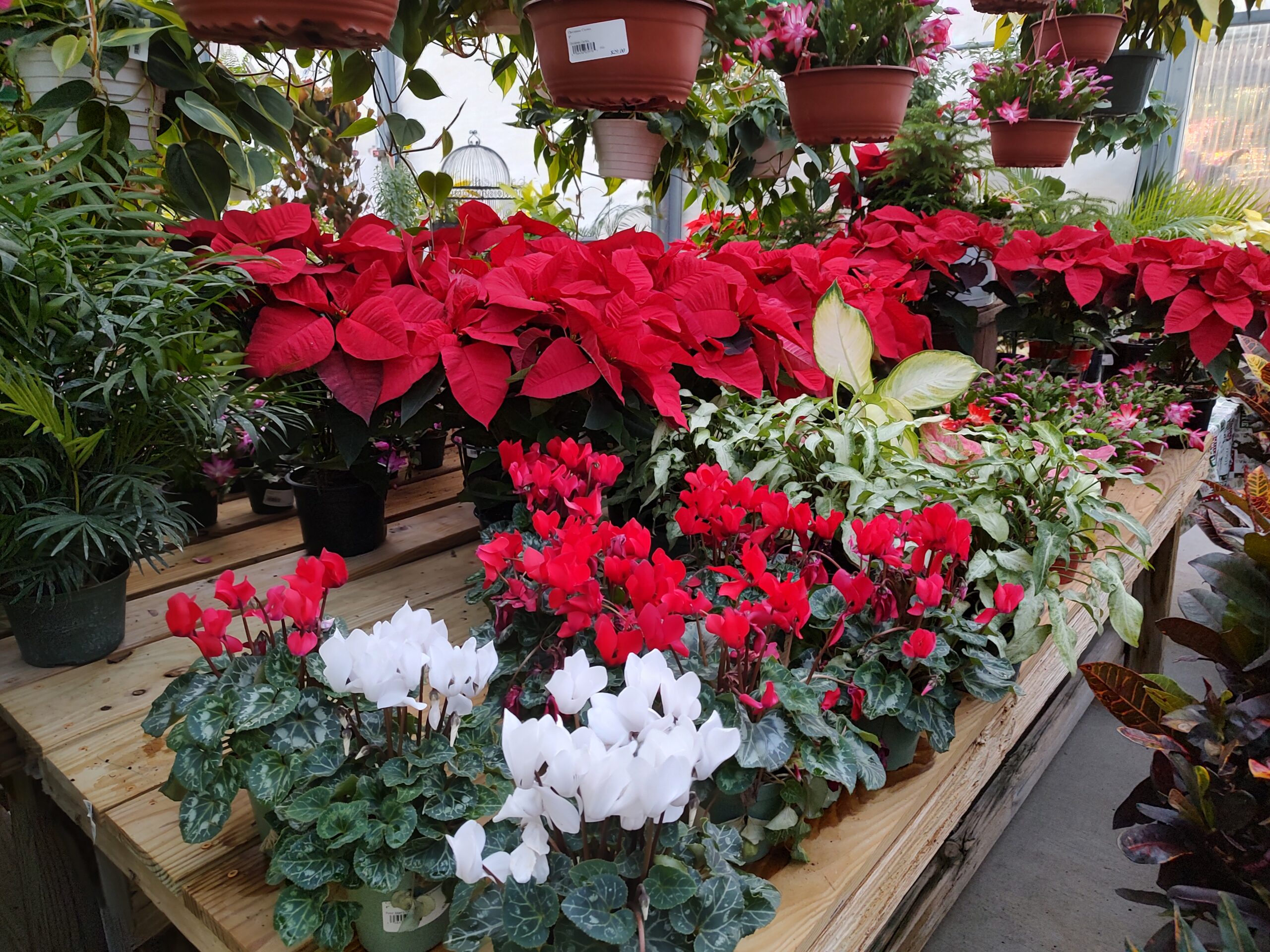
 One of the most iconic symbols of the Christmas season, poinsettias are a natural favorite for North Florida homes. These vivid red, white, or pink bracts are not only stunning but also perfectly suited to the mild winters of Live Oak. While poinsettias are native to Mexico, their adaptability to warmer climates makes them ideal for display in covered outdoor areas or indoors near bright, indirect light.
 Celebrating Christmas in North Florida offers the unique opportunity to combine classic holiday traditions with the natural beauty of a subtropical landscape. By selecting the best Christmas plants for North Florida homes, residents of Live Oak can enjoy seasonal cheer with greenery that’s both festive and climate-appropriate.