

Beginner Gardening in Live Oak, FL: What to Buy First (and What to Skip)
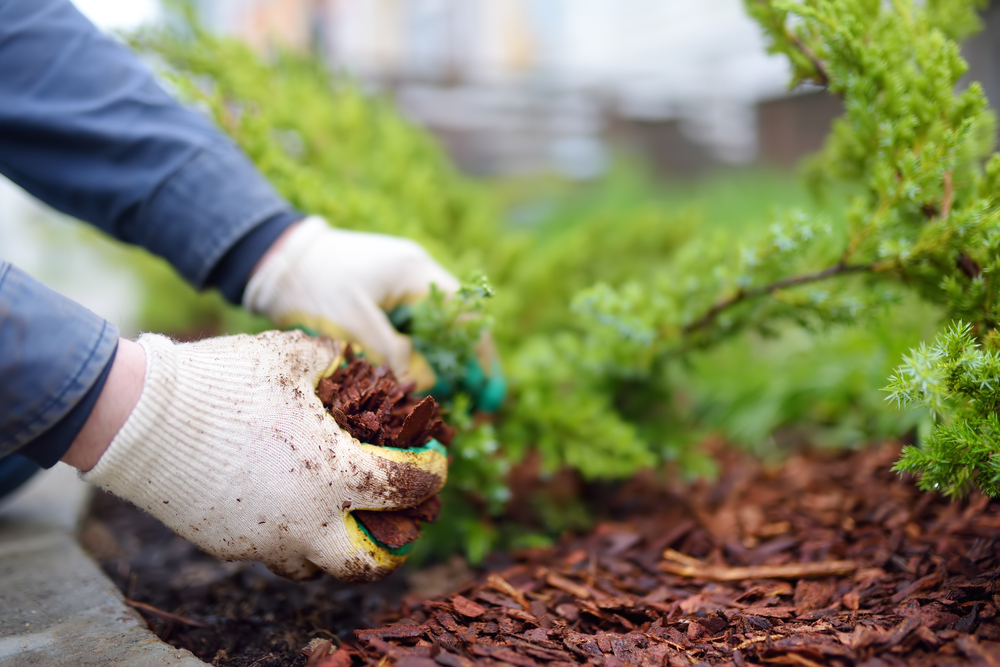
If you have ever stood in a garden center in Live Oak, FL, feeling completely overwhelmed by the rows of plants, soil bags, and tools, you are not alone. Starting a garden for the first time is exciting, but it can quickly become expensive and discouraging if you grab the wrong things off the shelf. The good news is that Live Oak sits in a region of North Florida that is genuinely forgiving for new gardeners. The climate, the soil potential, and the long growing season are all working in your favor. You just need to know where to start.
This guide is built around beginner gardening tips that are specific to the Live Oak, FL area, so you are not following advice written for someone gardening in Ohio or California. Let’s walk through what actually matters when you are just getting started.
Understanding the Growing Environment in Live Oak, FL
Before you spend a single dollar at a garden center in Live Oak, FL, take a few minutes to understand what you are working with. Live Oak sits in Suwannee County in the Big Bend region of Florida, placing it in USDA Hardiness Zone 8b. This means winters are mild but not frost-free. You can expect occasional freezes between December and February, but summers are long, hot, and humid.
That combination shapes everything about which starter plants and supplies make sense for your garden. Unlike South Florida, you cannot treat every tender tropical plant as a permanent resident. Unlike the Panhandle further west, you do have a slightly warmer baseline that opens up some fun options.
The soil in and around Live Oak tends to be sandy with pockets of clay, which means drainage is sometimes good and sometimes poor depending on your specific yard. A simple soil test from your local UF/IFAS extension office can save you from guessing. Knowing your pH and nutrient levels before you buy fertilizer or amendments means your money actually goes toward fixing the right problems.
What Plants to Start With in a North Florida Garden
Choosing the right plants is the single biggest factor in whether a beginner gardener sticks with the hobby or gives up after one frustrating season. The best plants for beginners in North Florida gardens share a few traits: they handle heat well, they recover from occasional neglect, and they do not require constant pest management to survive.
For vegetables, start with Southern staples that have been grown in this region for generations. Collard greens, okra, and sweet potatoes are nearly impossible to kill in North Florida’s summer heat. Cherry tomatoes outperform large beefsteak varieties for beginners because they are more disease-tolerant and produce fruit faster. Squash and cucumbers grow quickly and give beginners the immediate satisfaction of harvesting something edible within a couple of months.
For fall and winter planting, which many beginners overlook, cool-season crops like kale, lettuce, broccoli, and snap peas thrive in the Live Oak area from roughly October through March. This is one of the genuine advantages of gardening in North Florida. Your growing season does not end when the weather gets cool; it just shifts to different crops.
On the ornamental side, native and adapted plants like crapemyrtle, firebush, muhly grass, and gaillardia perform beautifully with minimal intervention. They attract pollinators, handle drought once established, and do not need the heavy fertilizing that more temperamental flowering plants require.
What plants should you skip at first? Avoid roses unless you are ready to commit serious time to fungal disease management. Pass on lavender, which prefers dry climates and often rots in Florida’s humidity. Hold off on fruit trees until you understand your space and soil better. Those can come later once you have some confidence under your belt.
What Supplies to Actually Buy (and What to Leave on the Shelf)
When you walk into a garden center in Live Oak, FL for the first time, the temptation is to fill a cart with every bag, bottle, and gadget on the shelf. Resist that impulse. Most beginners over-buy supplies and under-invest in soil preparation.
The supplies worth buying right away are simple. A good pair of gloves protects your hands and keeps you comfortable during longer sessions. A hand trowel and a full-size spade cover most digging needs for a starter garden. A quality hose with an adjustable nozzle is more practical than a complicated irrigation system when you are just starting out. And a bag of high-quality compost or aged manure is worth every penny because improving your soil from the start makes everything else easier.
If you are gardening in containers, which is a perfectly valid approach for beginners, invest in a bagged potting mix designed for vegetables or general outdoor use. Do not use soil scooped from your yard in containers; it compacts too much and often introduces pests and disease.
What to skip: pre-mixed fertilizer bundles that claim to do everything, specialty pruning kits before you have anything to prune, raised bed kits that cost hundreds of dollars before you know if you enjoy gardening, and pesticide collections you will rarely need if you start with the right plants. The best beginner gardening tip around supplies is simply this: buy less, use what you have, and add tools as actual needs come up.
Watering and Timing: Two Things Beginners Usually Get Wrong
Overwatering kills more beginner gardens than drought does. In the sandy soils common around Live Oak, water moves through quickly, but roots sitting in soggy conditions still rot. The general rule for most vegetables and ornamentals is to water deeply and less frequently, encouraging roots to grow downward rather than staying shallow near the surface.
A good starting practice is to check the soil by pressing a finger about an inch into the ground near your plant’s base. If it feels dry at that depth, water. If it still feels moist, wait another day. This simple check saves plants and reduces your water bill.
Timing matters just as much as quantity. Watering in the morning gives foliage time to dry before evening, which reduces fungal disease pressure, a real concern in Florida’s humid climate. Avoid watering at night whenever possible.
On the topic of planting timing, beginner gardening tips often ignore the importance of matching your planting schedule to the local calendar. In Live Oak, FL, the spring vegetable planting window runs roughly from late February through April. Summer heat arrives fast, so crops that need cool conditions to mature, like spinach or peas, need to go in early. Fall planting begins again in September and October. Following this rhythm rather than planting whenever inspiration strikes makes a significant difference in your results.
Building a Simple Garden Plan Before You Spend Money
The single step most beginners skip is planning before purchasing. You do not need a complicated blueprint, but knowing a few basics before you visit a garden center in Live Oak, FL saves money and prevents frustration.
Start by identifying how much sunlight your intended garden space receives. Most vegetables need at least six hours of direct sun per day. Shade-tolerant options exist, but your choices narrow significantly with less light. If your yard is mostly shaded, containers on a sunny patio or driveway edge are a legitimate solution.
Next, decide whether you want to start in the ground, in raised beds, or in containers. Each approach has different startup costs and maintenance requirements. Ground planting costs less initially but may require more soil amendment. Raised beds give you control over soil quality but require building or buying the bed structure. Containers are the most flexible option and work well for renters or gardeners with limited space.
Finally, write down three to five plants you actually want to grow. Match that list against the best plants for beginners in North Florida gardens, cross-reference with the current planting season, and build your shopping list from there. Arriving at a garden center with a focused list instead of open-ended browsing keeps your budget manageable and your garden realistic.
Conclusion
Beginner gardening in Live Oak, FL does not require a massive investment or advanced knowledge to get going. The climate is cooperative, the local resources are available, and starting small with the right plants and supplies puts you ahead of most first-time gardeners. Focus on soil, choose forgiving plants, buy only what you need, and adjust as you learn. A productive and enjoyable garden is closer than you think.